Skip to content
How Mobile Machinery Controllers Endure Harsh Environments
Table of Contents
Controllers face numerous challenges in harsh environments. High temperatures, humidity, dust accumulation, and vibration can lead to component failure and affect system performance. To ensure that equipment operates effectively in these conditions, controllers need to be specifically designed with advanced materials and technologies to withstand these environmental factors.
Challenges Mobile Machinery Controllers Face in Harsh Environments
Extreme Temperatures
Temperature is a key factor affecting controller performance. High temperatures (e.g., exceeding 70°C) can cause internal electronic components to overheat, reduce battery voltage, or even burn out circuit boards. On the other hand, low temperatures (as low as -40°C) can cause circuit boards to become brittle, and fragile cables can break, preventing the system from starting.
To address these challenges, controllers must be made of heat-resistant materials and equipped with efficient cooling systems (such as copper heat sinks and thermal plates) to ensure heat is effectively dissipated. At the same time, temperature sensors inside the controllers will automatically adjust the operating mode to prevent overheating or freezing.
Moisture and Waterproofing Requirements
Moisture is a common threat to controllers in harsh environments. Rain, dew, or humidity can seep into the controller, leading to corrosion of circuit boards, rusting of components, or short circuits. This is particularly common in agricultural machinery, where controllers are often exposed to wet conditions.
To address this issue, IP67 and IP69K protection ratings are crucial. IP67 ensures that the controller can be submerged in water up to 30 minutes without damage, while IP69K is designed to withstand high-pressure water jets, making it suitable for outdoor work environments. Therefore, selecting controllers with high water and dust protection standards can effectively prevent moisture and dust ingress.

Vibration and Shock Resistance
In construction sites, mining equipment, and agricultural machinery, vibration and shock are inevitable. Prolonged vibration can cause internal components to loosen, unstable connections, or poor contact, which in turn impacts performance. To overcome these challenges, shockproof design becomes particularly important.
Controllers must have shockproof housings and utilize vibration-absorbing materials (such as silicone gaskets and rubber pads) to absorb vibrations. Additionally, the circuit boards and connectors inside the controllers need reinforcement to prevent disconnections or failures caused by vibration.
Dust and Corrosion
Dust accumulation on construction sites, mining operations, and agricultural environments, as well as exposure to chemicals and salts, can accelerate wear on controllers. Dust can cause electronic components to short-circuit, while corrosion may damage circuit boards, reducing the efficiency and lifespan of the controllers.
To solve these issues, SonnePower’s controllers are designed with fully sealed enclosures and utilize corrosion-resistant materials (such as gold-plated circuit boards and corrosion-resistant housings) to ensure that the controllers remain reliable and functional even in these harsh environments.
How to Choose the Right Controller for Harsh Environments
Environmental Analysis and Matching Needs
When selecting a controller, it is essential to analyze the specific environmental conditions. Consider temperature ranges, humidity, and vibration levels. For example, controllers used in mining applications require robust shock and vibration resistance, while those in agricultural settings need to be moisture-resistant and capable of handling high humidity.
Need a CAN Bus Controller Solution?
SonnePower provides programmable controllers and integrated systems for construction, agriculture, sanitation, mining, and special-purpose machinery.
Functionality and Programming Needs
When choosing a controller, the programming platform and communication protocol are key factors. Platforms like CODESYS and ACE™ offer flexible programming options, while protocols like CANopen and J1939 ensure seamless communication between the controller and other equipment, enabling efficient operations.
Long-Term Reliability
Long-term stability and reliability are crucial when selecting controllers. Controllers that undergo rigorous testing and are designed to endure harsh environments will help reduce maintenance costs and enhance equipment longevity. SonnePower’s controllers are designed to meet the demands of such environments, ensuring efficient and stable performance even under extreme conditions.
Real-World Application Case Studies
Agricultural Machinery
In agriculture, mobile machinery controllers must handle high temperatures and high humidity. These controllers need to operate effectively in extreme conditions, ensuring that machines continue functioning without interruptions. Controllers with good waterproofing, dustproofing, and temperature adaptability are essential for this purpose.
Construction Machinery
Construction machinery often faces vibration, dust, and temperature fluctuations. Therefore, controllers must be designed to withstand these harsh conditions.
Mining Equipment
Mining equipment is exposed to high pressure, high vibration, and corrosive environments. Controllers designed with sealing and corrosion-resistant features ensure longevity and stable operation, even in the most demanding mining environments.
Future Trends in Mobile Machinery Controllers
Smart and Automated Controls
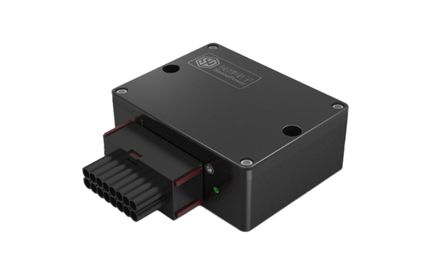
With the development of Internet of Things (IoT) and Artificial Intelligence (AI), mobile machinery controllers are evolving towards smarter and more automated systems. These technologies allow for real-time monitoring, predictive maintenance, and optimized control, which reduces downtime and improves operational efficiency. Smart controllers will automatically adjust their settings based on the data they gather from their environment.
Remote Monitoring and Diagnostics
Remote monitoring technology enables users to track machinery performance in real-time, which aids in predictive maintenance, minimizing unexpected breakdowns. This capability helps maintain equipment health and reduce downtime, ensuring smooth operation in demanding environments.
Electrification and Sustainability
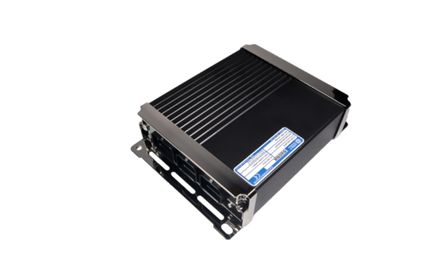
As electric-powered machinery becomes increasingly common, controllers are adapting to support more energy-efficient and sustainable operations. These controllers help machinery run more efficiently, reducing energy consumption and contributing to environmental sustainability goals.
Conclusion
Durability and reliability are crucial for mobile machinery controllers in harsh environments. Key factors like protection ratings, shock resistance, temperature adaptability, and corrosion protection ensure optimal performance. Choosing the right controller based on environmental and functionality needs helps maintain equipment reliability and reduce downtime.