 Skip to content
Smart Control Solutions for Agricultural Machinery
Integrated agricultural machinery control system solutions including controllers, displays, I/O modules, keypads, and motor systems for tractors, seeders, sprayers, harvesters, and other equipment.
- Rugged Design
- CAN-Based Architecture
- Flexible Integration
- For OEM Machinery and System Integrators
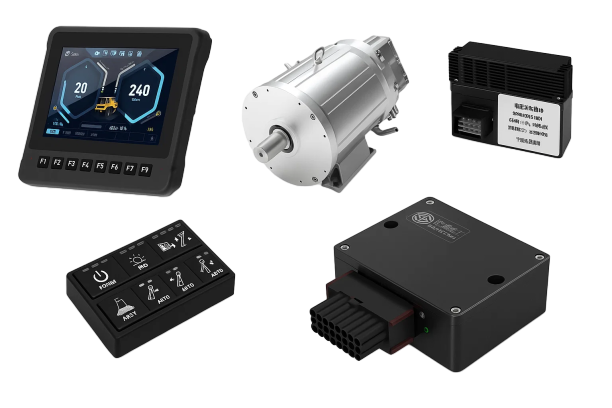
Why Agricultural Machinery Needs Smarter Control Systems
As machine functions become more complex, OEMs need integrated control architecture to improve reliability, operator interaction, communication, and system scalability.
More Complex Machine Functions
Displays, keypads, alarms, and camera inputs help operators monitor machine status and respond more efficiently during work. A better HMI system supports both usability and safety.
Harsh Field Conditions
Agricultural machines operate in dust, vibration, moisture, and long working cycles. Control systems must remain stable and reliable in demanding environments.
Better Operator Interaction
Operators need clear machine information and responsive controls. Displays and keypads must support efficient use in real field conditions.
System Integration
Controllers, displays, sensors, actuators, and I/O modules must work together smoothly, requiring flexible and scalable integration.
Typical Application Scenarios
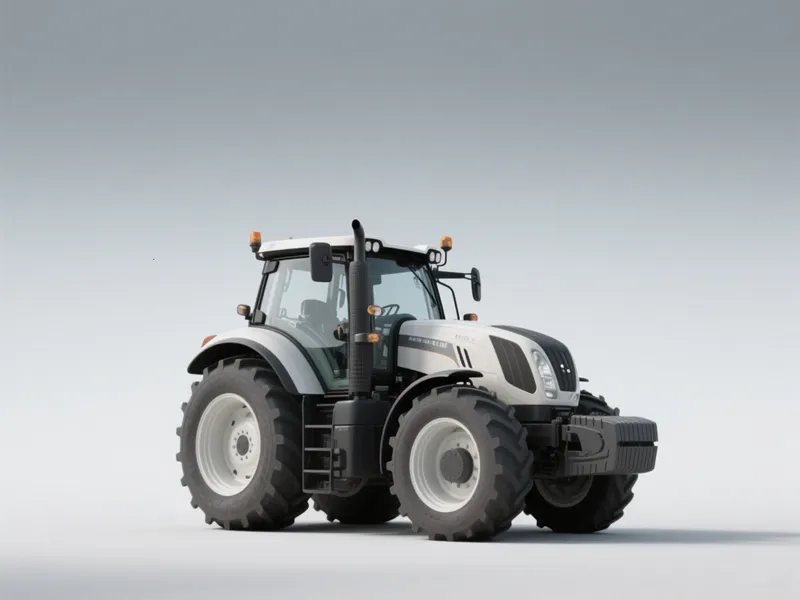
Tractor
📌 Applicable Products:
👉 Controllers
👉 Operator Panels
👉 Motor Systems
Controllers optimize engine and transmission control for smooth, efficient operation. Operator panels provide intuitive user interfaces. Motor systems deliver reliable power for hydraulics and attachments.
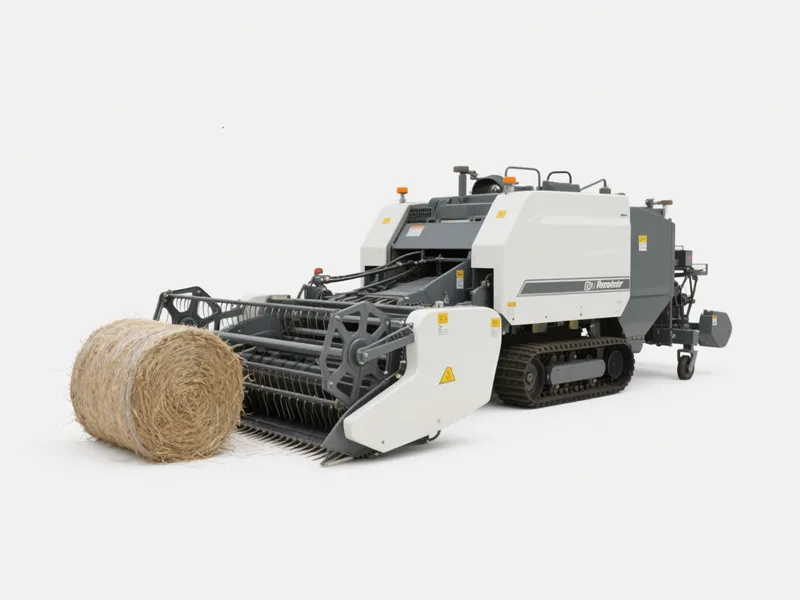
Baler
📌 Applicable Products:
👉 Controllers
👉 I/O Modules
👉 Displays
Balers require coordinated control of repetitive working functions, status monitoring, and operator input. Controllers manage core baling logic, displays help operators monitor machine status and alarms, and keypads support reliable function control during operation.
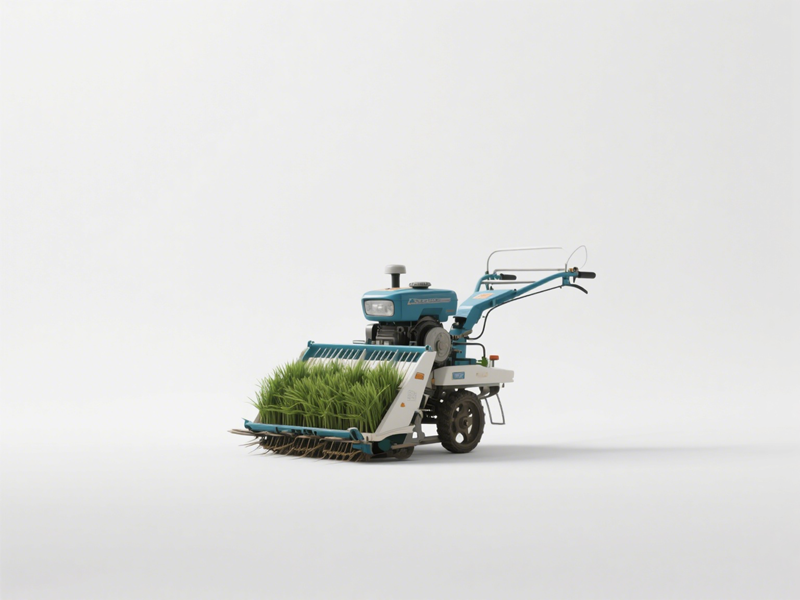
Rice Transplanter
📌 Applicable Products:
👉 Controllers
👉 Keypad
👉 I/O Modules
Modern rice transplanters require coordinated control of planting spacing, machine functions, and sensor inputs. Controllers manage core planting logic, keypads provide reliable operator input, and I/O modules support integration of planting-related signals across the machine.
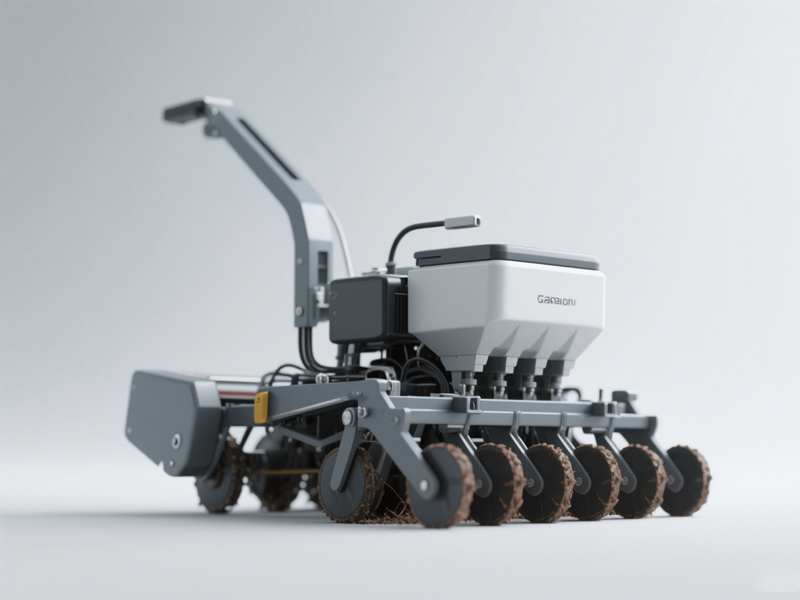
Seeder
📌 Applicable Products:
👉 Controllers
👉 I/O Modules
👉 Displays
Modern seeders require coordinated control of seed metering, sensor inputs, and operator monitoring. Controllers support seeding logic, I/O modules manage multiple field signals, and displays provide clear feedback on machine status and sowing performance.
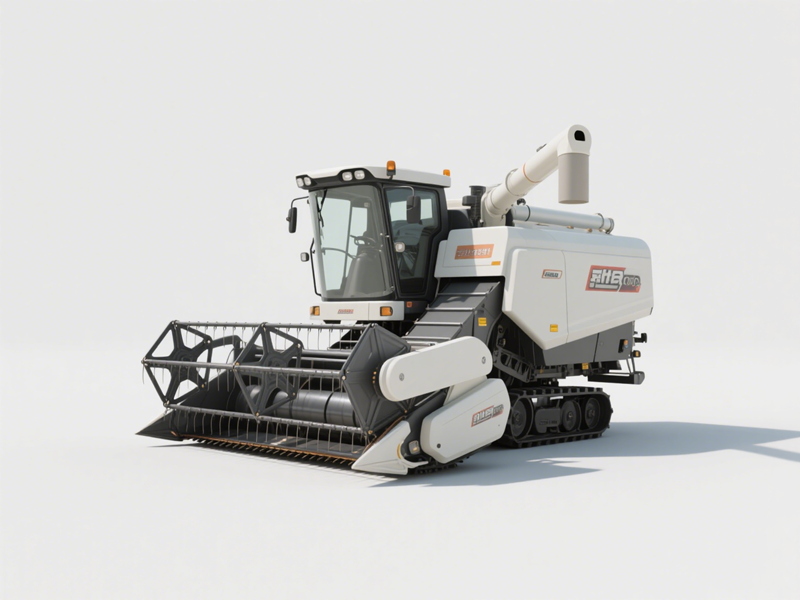
Harvester
📌 Applicable Products:
👉 Controllers
👉 Displays
👉 Motor Systems
Harvesters require coordinated control across cutting, threshing, cleaning, and operator monitoring. Controllers help manage working functions, displays provide clear visibility of machine status and harvest parameters, and motor systems support reliable power output for key operating functions.
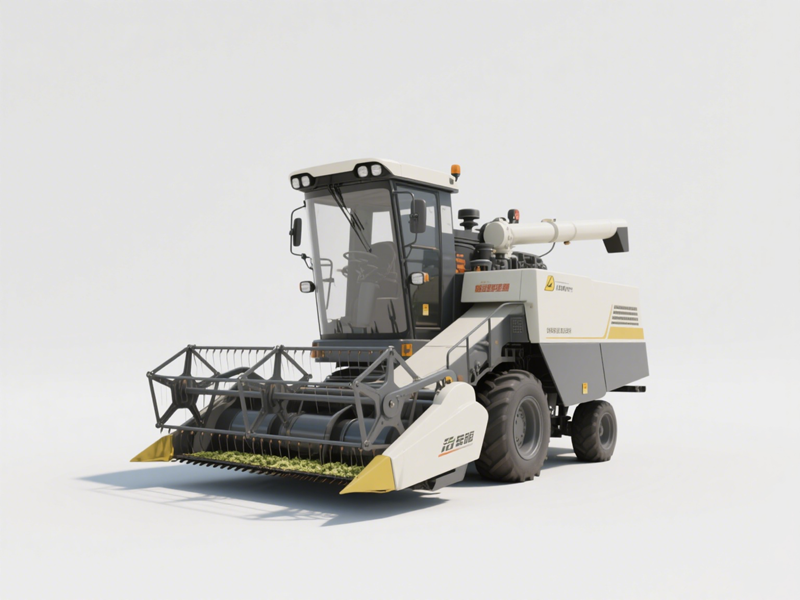
Silage Harvester
📌 Applicable Products:
👉 Controllers
👉 I/O Modules
👉keypads
Silage harvesters require coordinated control of cutting, chopping, sensor inputs, and operator functions. Controllers support core harvesting logic, I/O modules handle multiple machine signals, and keypads provide efficient control for complex operating functions.
Example Control Architecture in Agricultural Machinery
These examples show how controllers, displays, I/O modules, sensors, and operator interfaces can be integrated into different types of agricultural machinery.
Baler Control Architecture
A baler control system often combines sensors, a controller, alarms, and a display to support status monitoring, working function coordination, and operator feedback.
This kind of architecture helps improve machine visibility and supports more reliable baling operation in field conditions.

Forage Harvester Control Architecture
A forage harvester often requires coordinated integration of controllers, displays, I/O modules, operation handles, sensors, and wiring systems to manage multiple working functions.
A well-structured control architecture helps improve signal coordination, operator control, and system reliability.

Wheat Harvester Control Architecture
A wheat harvester may integrate displays, controllers, keypads, cameras, operation handles, and alarms to support machine control, operator visibility, and field operation safety.
This kind of system architecture helps operators monitor machine status more clearly and manage complex harvesting functions more efficiently.

Recommended Product Stack for Agriculture Projects

Programmable Controllers for Agricultural Equipment
Programmable controllers act as the core of the system. They manage machine logic, communication, input and output handling, and function coordination across different agricultural platforms.
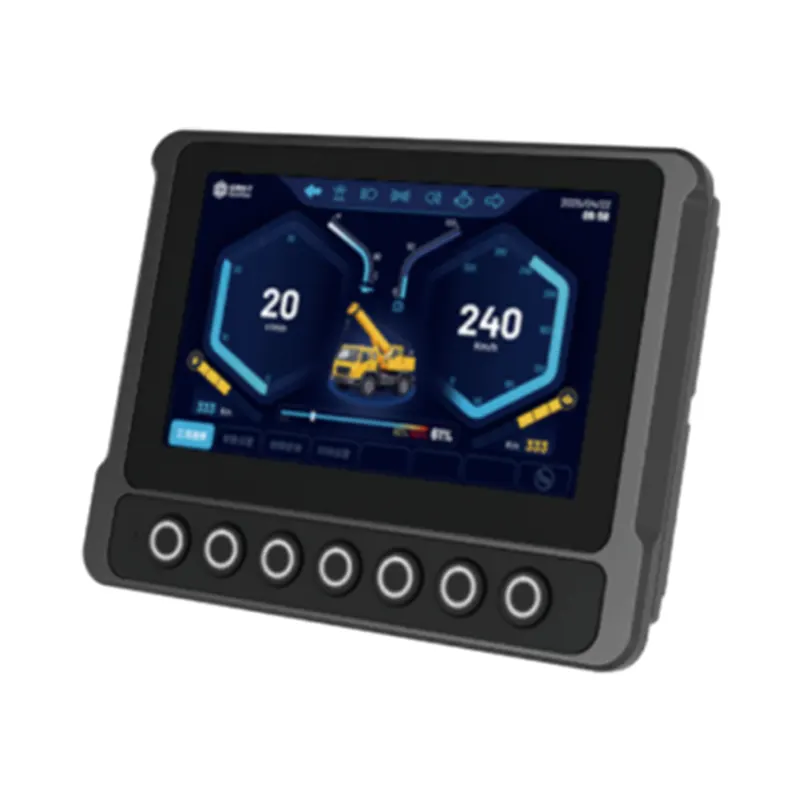
CAN Bus Displays for Agricultural Machineryt
Displays provide machine status, alarms, operating parameters, and real-time feedback for operators. In agricultural equipment, they help improve visibility and operator interaction under field conditions.
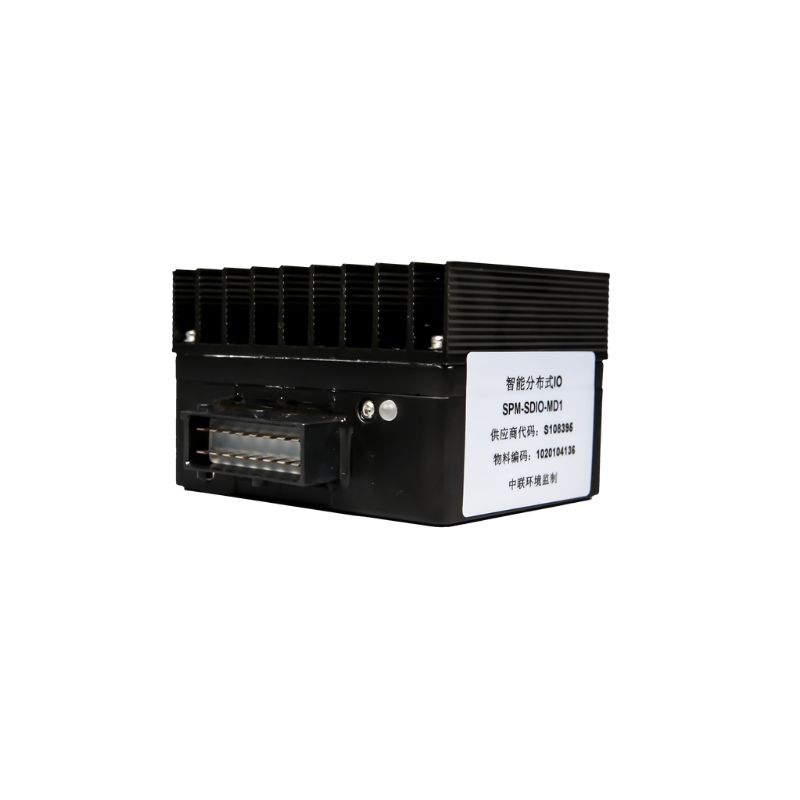
Distributed I/O Modules
Displays provide machine status, alarms, operating parameters, and real-time feedback for operators. In agricultural equipment, they help improve visibility and operator interaction under field conditions.
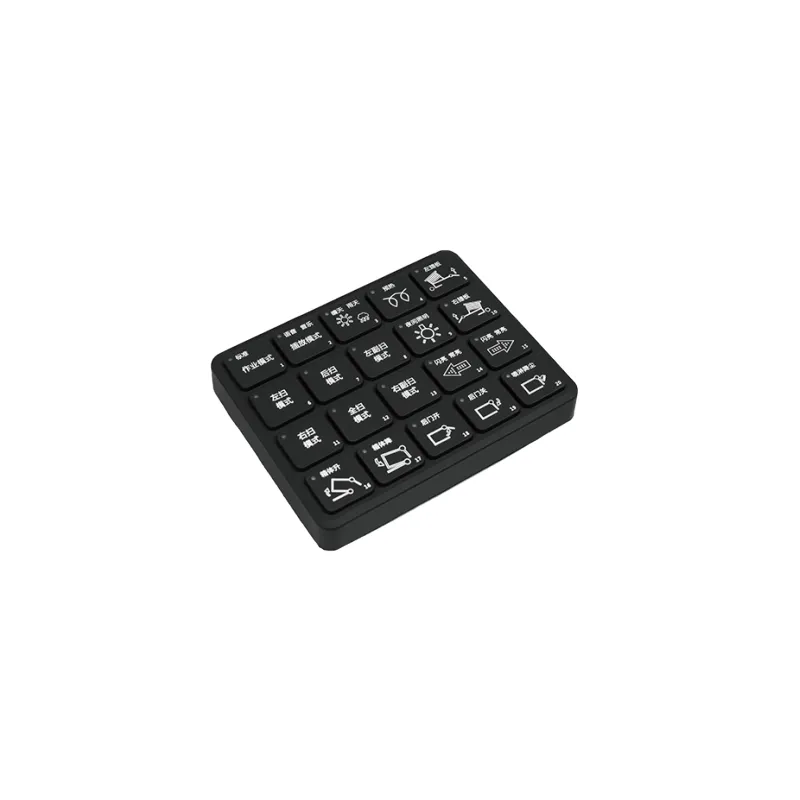
CAN Bus Keypads
CAN bus keypads provide reliable operator input for machine functions, work modes, and interface control. They help create durable and efficient operator panels for agricultural equipment.
Motor Systems
Motor systems can support agricultural functions that require electric actuation, assisted movement, or integrated drive-related control. They help expand the overall machine control architecture.
FAQ About Agricultural Machinery Control Systems
1.What is an agricultural machinery control system?
An agricultural machinery control system is the electronic architecture that manages machine logic, operator interaction, signals, communication, and work-related functions in equipment such as tractors, seeders, sprayers, harvesters, and balers.
2. What products are typically included in an agricultural machinery control system?
A typical system may include programmable controllers, HMI displays, CAN bus keypads, distributed I/O modules, sensors, actuators, alarms, and in some cases motor systems.
3. Why are controllers and displays important in agricultural machinery?
Controllers manage machine logic and function coordination, while displays provide operators with machine status, alarms, and operating data for clearer field operation.
4. How do I/O modules help in agricultural equipment?
I/O modules help integrate signals from sensors, switches, and actuators. Distributed I/O can also reduce wiring complexity and improve system layout flexibility.
5. What types of agricultural machines can use this control architecture?
This type of architecture can be used in tractors, seeders, sprayers, harvesters, balers, rice transplanters, forage harvesters, and other agricultural equipment.
6. Can agricultural machinery control systems be customized for different applications?
Yes. Control systems can be configured for different machine types, functions, signal requirements, and operator interface needs.