 Skip to content

How Mobile Machinery Control Systems Work
Table of Contents
What Is a Mobile Machinery Control System?
A mobile machinery control system is the electronic control framework used to manage, coordinate, and monitor the operation of off-highway vehicles and mobile equipment.
Unlike passenger cars, mobile machinery operates in unstructured environments, performs task-specific functions, and relies heavily on hydraulic, electric, or electro-hydraulic systems.
The control system acts as the central decision layer that connects operator input, machine logic, and physical movement.
This type of system is also commonly referred to as a:
Vehicle control system
Off-highway control system
Mobile equipment electronic control system
While terminology may differ, all refer to the same concept:
a centralized and intelligent method of controlling complex mobile machines.

Industry Background: Why Off-Highway Machinery Is Different
Off-highway machinery includes equipment used outside public road networks, such as:
Construction equipment
Agricultural machinery
Mining machines
Municipal and special-purpose vehicles
These machines differ from on-highway vehicles in several fundamental ways:
They perform work functions, not just transportation
Operating conditions are often dusty, wet, hot, cold, or vibration-intensive
Each machine is typically customized for a specific task
As a result, traditional automotive electrical systems are often insufficient.
This is where dedicated mobile machinery control systems become essential.

Why Control Systems Are Essential in Mobile Machinery
Managing System Complexity
Modern mobile machines integrate multiple subsystems, including:
Powertrain and drive control
Hydraulic and electric actuators
Steering, braking, and auxiliary functions
Operator interfaces and displays
A control system enables these subsystems to work together in a coordinated and predictable way.
Ensuring Operational Safety
Safety is critical in off-highway environments where machines operate near people, structures, or other vehicles.
Control systems support:
Fault detection and diagnostics
Emergency logic and safe-state handling
Interlocks and condition-based operation
These functions significantly reduce operational risk.
Improving Efficiency and Reliability
Electronic control allows machines to operate more efficiently by:
Optimizing energy usage
Reducing mechanical stress
Improving repeatability and precision
For operators and fleet owners, this means lower downtime and operating costs.
Enabling Intelligent and Connected Machinery
Control systems form the foundation for:
CAN-based communication networks
Remote monitoring and diagnostics
Software-driven function updates
Integration with automation and digital platforms
Without a robust control system, intelligent machinery is not possible.
Typical Structure of a Mobile Machinery Control System
Although implementations vary, most mobile machinery control systems share a similar structure.
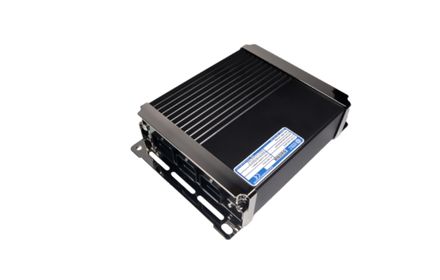
Central Controller
The programmable mobile machinery controllers execute control logic and manage communication between subsystems. It processes input signals, runs decision logic, and outputs commands to actuators.
HMI
The Human–Machine Interface (HMI) allows operators to monitor machine status, receive alerts, and send commands to the control system.
A mobile machinery HMI may include:
CAN bus displays for operating data, diagnostics, and system alerts
Control keypads or operator panels for direct input
Indicator lights, buttons, and function keys
Displays and physical controls are often used together to provide clear visual feedback and reliable machine operation.

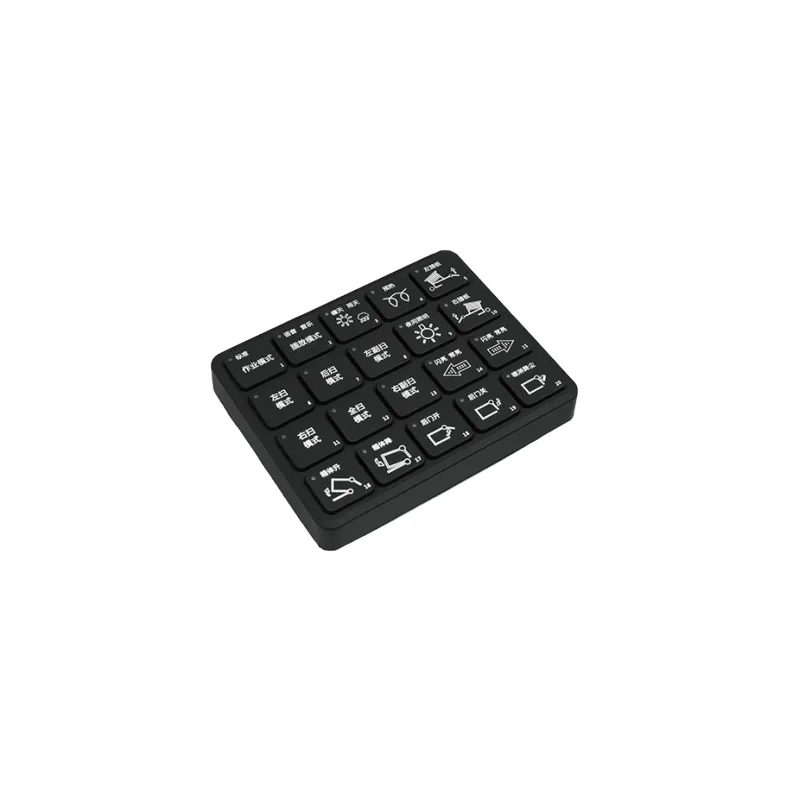
Keypads in Mobile Machinery
CAN bus keypads provide direct, tactile control of frequently used machine functions. Operators can use them to activate equipment, select operating modes, control auxiliary functions, and acknowledge alerts.
Physical keypads are particularly suitable for off-highway machinery because they can be operated:
While wearing gloves
In wet, dusty, or muddy conditions
Under continuous vibration
Across wide operating-temperature ranges
Their tactile feedback allows operators to confirm an input without relying entirely on a touchscreen.
Sensors and Actuators
Sensors measure operating conditions such as pressure, position, speed, temperature, and fluid level. Their signals provide the controller with real-time machine data for monitoring, diagnostics, and closed-loop control.
Actuators convert controller outputs into physical movement or action. Typical examples include proportional valves, solenoid valves, hydraulic cylinders, electric motors, relays, and linear actuators.
Together, sensors and actuators create the link between the electronic control system and the machine’s physical functions.
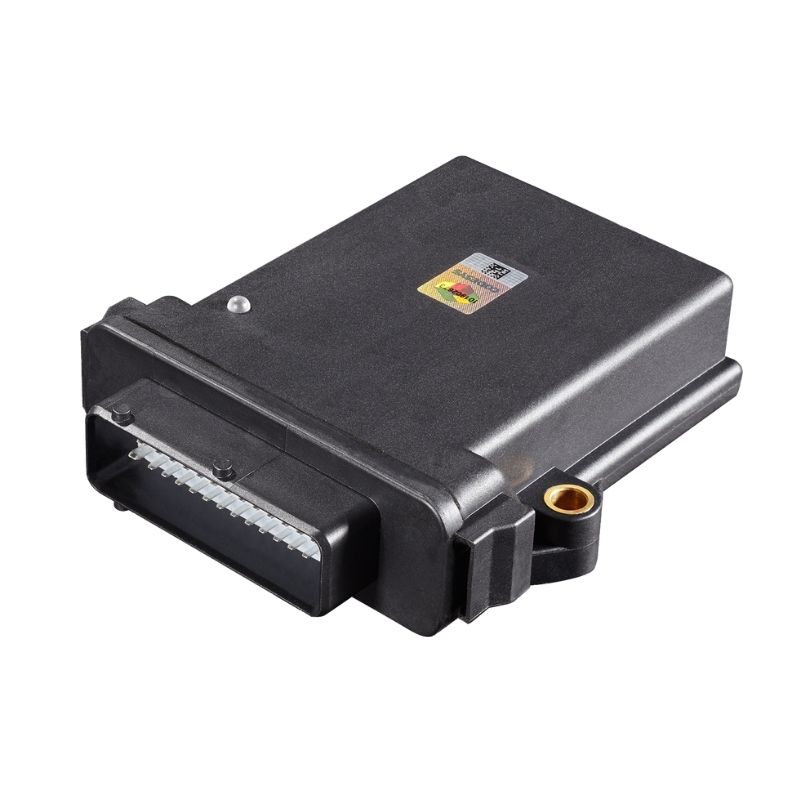
I/O Modules and Signal Interfaces
I/O modules connect sensors and actuators to the control system, handling:
Digital and analog inputs
Output control for valves, motors, and relays
Distributed signal processing
This modular approach reduces wiring complexity and improves system scalability.
Communication Network
Most mobile machinery control systems rely on CAN-based networks to connect controllers, displays, I/O modules, and keypads. These networks are designed to operate reliably in electrically noisy and physically demanding environments.
Application Areas of Mobile Machinery Control Systems
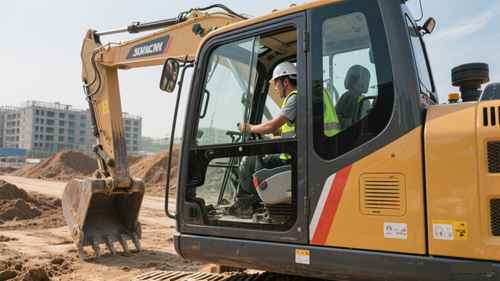
Construction Machinery
Control systems coordinate complex hydraulic, drive, and safety functions in excavators, loaders, cranes, and road machinery.
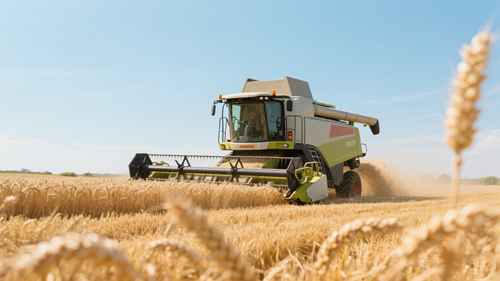
Agricultural Machinery
Tractors, harvesters, and sprayers rely on control systems for precision operation, efficiency, and adaptability to outdoor environments.
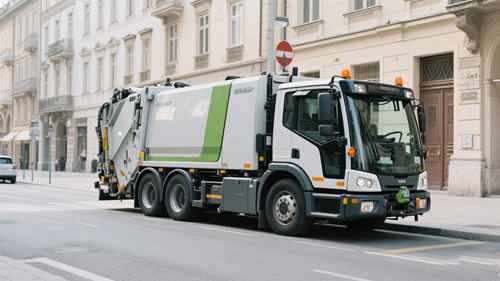
Sanitation & Municipal Vehicles
Garbage trucks and cleaning vehicles require reliable multi-function control systems with high availability and simple operator interaction.
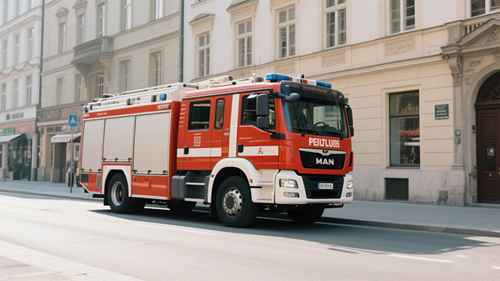
Firefighting & Emergency Vehicles
These vehicles depend on fast response, stable control, and intuitive interfaces for critical operations under extreme conditions.
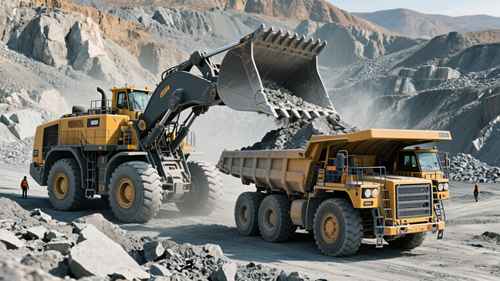
Mining Equipment
Mining machinery demands highly robust control systems capable of operating in harsh, safety-critical, and remote environments.
Each application area typically forms its own dedicated control system architecture, tailored to specific operational requirements.
Key Trends in Mobile Machinery Control Systems
Several trends are shaping the evolution of mobile machinery control systems:
Transition from relay-based systems to intelligent electronic control
Increased adoption of CAN-based and networked architectures
Higher protection levels for electronic components
Greater system integration and modular design
These trends support scalability, reliability, and future automation.
Learn more :Trends in Mobile Machinery Control Systems
Control Architecture Approaches in Modern Mobile Equipment
Control systems are commonly designed using different architectural approaches:
Centralized control, where functions are managed by a main controller
Distributed control, where intelligence is shared across multiple modules
Modular architectures, allowing flexible configuration for different machine types
The appropriate architecture depends on machine complexity, functional requirements, and operational conditions.
SonnePower in the Mobile Machinery Control Ecosystem
To support OEMs and system integrators during development, SonnePower offers sample units for evaluation, including controllers, displays, I/O modules, and control keypads.
Hands-on testing helps engineering teams validate performance and system compatibility in real mobile machinery applications.
👉 Contact SonnePower to request samples or discuss your application requirements.